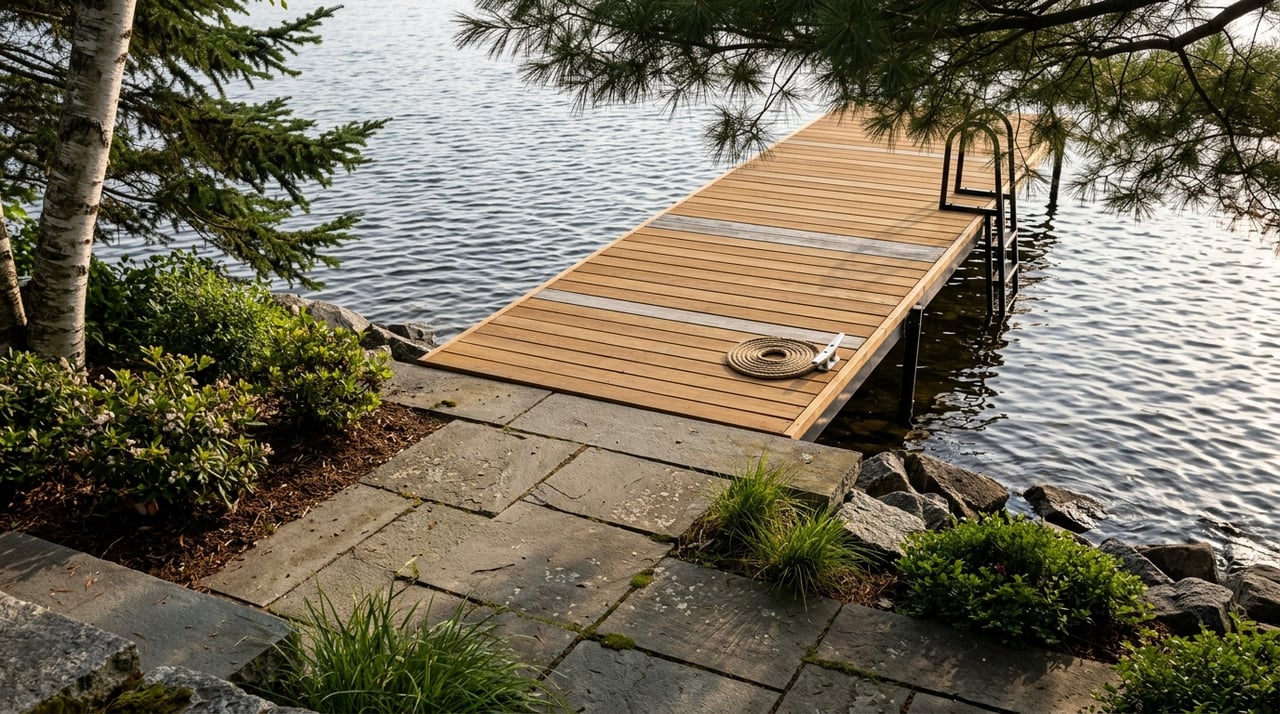
If you are getting ready to sell a lakefront home in Bolton Landing, you are not just selling square footage. You are selling the full experience of the home, the shoreline, the dock, and the view across Lake George. With the right preparation, you can help buyers see that value more clearly and reduce avoidable questions before your listing goes live. Let’s dive in.
Why lakefront prep matters
A waterfront property asks buyers to evaluate more than the interior. They are also thinking about water access, shoreline condition, boating setup, and how well the property has been maintained over time.
That is one reason preparation can have a real impact. In the National Association of Realtors 2025 staging survey, 83% of buyers’ agents said staging made it easier for buyers to visualize a home, 29% said staging affected the dollar value offered by 1% to 10%, and 49% of sellers’ agents said staged homes spent less time on the market.
For a Bolton Landing lakefront home, that research supports a simple idea. A clean, well-presented property often feels easier for buyers to understand, compare, and value than one that feels cluttered or unfinished.
Start with the rooms buyers notice most
When you prepare your home, begin with the spaces buyers tend to focus on first. According to NAR, the living room, primary bedroom, dining room, and kitchen are the rooms most often staged.
In a lake house, those rooms should feel calm, open, and easy to move through. Remove extra furniture, clear surfaces, and simplify decor so the eye naturally moves toward the windows and water views.
This does not always require a major redesign. In many cases, decluttering and correcting obvious property faults can do more for buyer perception than a long list of cosmetic upgrades.
Emphasize the lake view
In Bolton Landing, the view is often one of the home's strongest selling features. Your interior setup should support that, not compete with it.
Open curtains and blinds before photos and showings. Rearrange or remove pieces that block sightlines from main living areas to the lake. If a room feels crowded, subtract first instead of adding more styling.
A buyer should be able to step inside and immediately understand the connection between the home and the water. That visual experience matters in person and in listing photography.
Focus on simple repairs first
Before you spend heavily, take care of the basics. Small repairs can help your home feel more cared for and complete.
Walk through the property as if you were seeing it for the first time. Look for loose hardware, chipped paint, broken light fixtures, sticking doors, worn caulk, or anything else that might distract a buyer from the bigger picture.
These details may seem minor, but together they shape how buyers judge upkeep. In a waterfront property, where buyers may already be thinking about docks, septic, and shoreline maintenance, visible deferred repairs can raise more questions than you want.
Decide whether staging makes sense
Staging can be a useful tool, especially for lakefront properties where lifestyle is part of the appeal. NAR’s 2025 report found a median spend of $1,500 when using a staging service, compared with $500 when a seller’s agent personally staged the home.
That does not mean every seller needs full-service staging. For some homes, a lighter approach focused on decluttering, furniture editing, and presentation may be enough.
The key is to create rooms that feel spacious, functional, and easy to imagine living in. For many Bolton Landing sellers, that can be a modest pre-listing investment relative to the value of the property.
Clean up the exterior with care
Outdoor presentation matters just as much as interior presentation in a lakefront sale. Buyers notice the driveway, entry, decks, steps, shoreline path, and how easily they can access the water.
A tidy exterior helps the property feel maintained. Sweep walkways, clear leaves and debris, wash outdoor furniture, and make sure stairs, railings, and paths feel safe and usable.
At the same time, it is important not to confuse cleanup with major shoreline alteration. In Bolton Landing, shoreline work is tied to local and Adirondack Park Agency rules, so it pays to be careful.
Be cautious with shoreline changes
If you are tempted to over-clear vegetation or rush into shoreline improvements before listing, pause first. In this area, shoreline restrictions are part of the local reality.
The Adirondack Park Agency notes that new structures over 100 square feet face setback rules near the water, vegetation cutting near the mean high-water mark is limited, and shoreline stabilization projects may require a permit or variance. The practical takeaway for sellers is that neat and well-kept is usually better than over-built or over-cleared.
That matters because buyers often ask questions when something near the shore looks newly changed or potentially nonconforming. A natural, orderly shoreline presentation can protect the look of the property without inviting unnecessary permit concerns.
Gather dock and mooring records early
If your property includes a dock, wharf, or mooring, paperwork matters. The Lake George Park Commission requires a permit before a dock, wharf, or mooring is constructed, altered, modified, enlarged, or expanded.
The Commission also requires annual registration by April 1 and keeps records of authorized dock and mooring configurations for lakefront properties. Before listing, gather any permits, registrations, approvals, and related documents you have.
This is one of the most helpful steps you can take for buyer confidence. When a buyer asks what is authorized on the property, you want to have a clear answer ready.
Prepare for boating questions
Buyers shopping for a Bolton Landing lakefront home often care deeply about boating access. If your property supports that lifestyle, make sure it shows well and is easy to explain.
Clean docking areas, secure loose items, and make the waterfront access feel orderly. If trailered boats are part of the conversation, it also helps to understand that the Lake George Park Commission requires inspections for trailered boats launching into Lake George, and those inspections are free.
The Commission says boats should arrive clean, drained, and dry as part of invasive species prevention. While this is not a listing feature in itself, it is part of the boating reality on Lake George and may come up in buyer questions.
Avoid last-minute hardscaping projects
Some pre-sale improvements sound appealing but can create more risk than reward. If you are thinking about grading, paving, or other shoreline hardscaping before listing, slow down and verify what applies to your property.
The Lake George Park Commission has stormwater rules designed to prevent runoff and soil erosion into Lake George and its tributaries. Starting a project too close to listing can create delays, open permit questions, or leave you with unfinished work during marketing.
In most cases, a clean and maintained exterior is more helpful than a rushed improvement project. Focus first on presentation, safety, and documentation.
Get septic records in order
Lakefront buyers often want to know how core systems have been maintained. If your home has a septic system, gather service records and consider whether your inspection history is current.
The EPA says septic tanks should generally be inspected every 1 to 3 years and pumped every 3 to 5 years. A typical septic inspection reviews the system’s permit, design, installation records, and maintenance history.
You do not need to overwhelm buyers with paperwork on day one, but having those records ready can reduce uncertainty. It also helps your listing feel organized and well cared for.
Update well testing if needed
If your property has a private well, water quality is another area where preparation can help. The New York State Department of Health recommends annual testing for coliform bacteria and periodic retesting for other water-quality concerns.
Recent test results can make your file more complete and can help answer buyer questions early. For waterfront and second-home buyers in particular, clear water-related documentation often improves comfort with the property.
This is especially useful when buyers are comparing multiple homes and looking for signs of consistent ownership care. Good records support that story.
Organize older-home disclosures carefully
Many Lake George cottages and seasonal homes were built decades ago and updated over time. If your home was built before 1978, lead-based paint rules may apply.
According to the EPA, sellers of pre-1978 homes do not have to inspect for lead before a sale, but they must provide the buyer a 10-day opportunity to test for lead-based paint hazards. If your home falls into that category, gather any related records you already have and be ready to handle the disclosure process cleanly.
This is one more reason to prepare early rather than rushing once an offer comes in. A smoother paper trail often supports a smoother transaction.
Build a pre-listing document package
One of the smartest things you can do before selling is create a single file for key property records. That package can help you answer questions faster and reduce back-and-forth during due diligence.
Start with items such as:
- Dock or mooring permits and registrations
- Septic inspection and pumping records
- Well test results
- Surveys
- Approval letters related to waterfront features
- Any available permit history for improvements
In a market like Bolton Landing, buyers are often purchasing both a home and a set of regulated waterfront features. Clear records can make the property easier to understand and easier to move forward on.
Think like a buyer before listing
The best pre-listing strategy is often a combination of visual polish and practical readiness. You want buyers to walk in, enjoy the lake setting, and feel confident that the property has been thoughtfully maintained.
That means clean interiors, open views, a well-kept exterior, and organized records for docks, shoreline-related items, septic, and water systems. It does not guarantee a specific sale price, but it can support stronger buyer confidence and smoother negotiations.
If you are preparing a Bolton Landing lakefront home for sale, the details matter. With the right plan, you can present the property in a way that respects both its lifestyle appeal and the realities of waterfront ownership.
When you are ready to position your home for the market, Melissa O'Reilly can help you create a thoughtful strategy built around local Lake George expertise, polished presentation, and a seamless seller experience.
FAQs
What should you do first when preparing a Bolton Landing lakefront home to sell?
- Start with decluttering, simple repairs, and the main living spaces, especially the living room, kitchen, dining room, and primary bedroom.
Is staging worth it for a Bolton Landing waterfront home?
- NAR research suggests staging often helps buyers visualize the home and may support stronger offers or less time on market, although results vary by property.
Do shoreline changes matter when selling a Bolton Landing lakefront property?
- Yes. Vegetation cutting, shoreline stabilization, and certain waterfront structures may be subject to Adirondack Park Agency and Lake George Park Commission rules.
What dock paperwork should you gather before listing a Lake George waterfront home?
- Gather any dock, wharf, or mooring permits, annual registrations, approval records, and documents showing the authorized configuration for the property.
Should you have septic and well records ready before selling a Bolton Landing home?
- Yes. Septic service history and recent well test results can reduce buyer uncertainty and help your listing feel more complete.
What if your Bolton Landing home was built before 1978?
- If the home was built before 1978, sellers must provide buyers a 10-day opportunity to test for lead-based paint hazards under EPA rules.